The right choice depends on continuity, maintenance strategy, project scale, and total lifecycle cost.
Low-voltage switchgear is widely used in factories, commercial buildings, public facilities, and infrastructure projects. Fixed and withdrawable designs are two common options. The key question is not which design is more advanced, but which one best meets the project’s operating requirements.
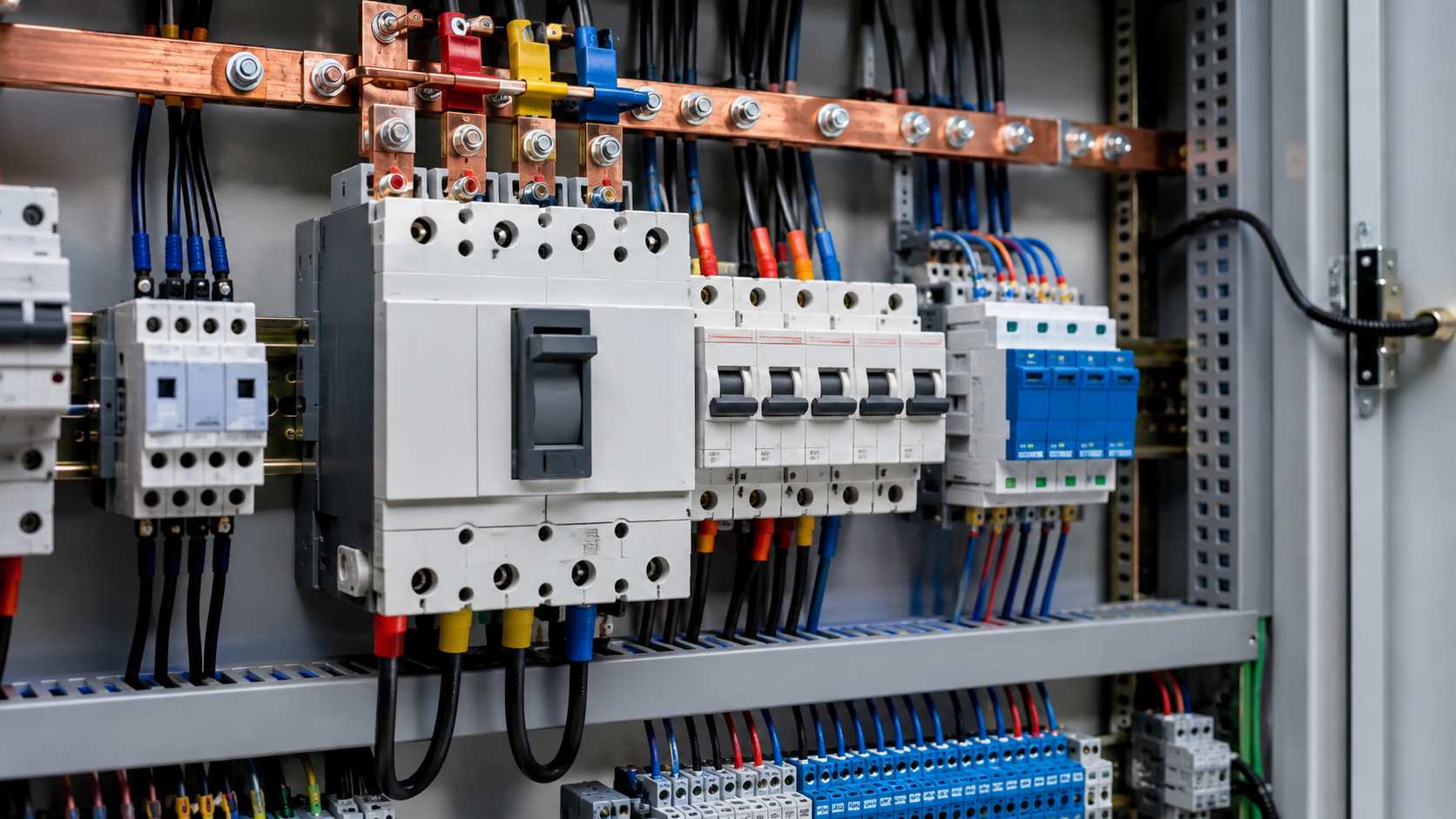
In fixed switchgear, the principal devices are permanently installed. The arrangement is comparatively simple, cost-effective, stable in operation, and easy to understand during routine maintenance. It is generally suitable for installations with fewer circuits, limited load changes, and the ability to schedule shutdowns for maintenance.
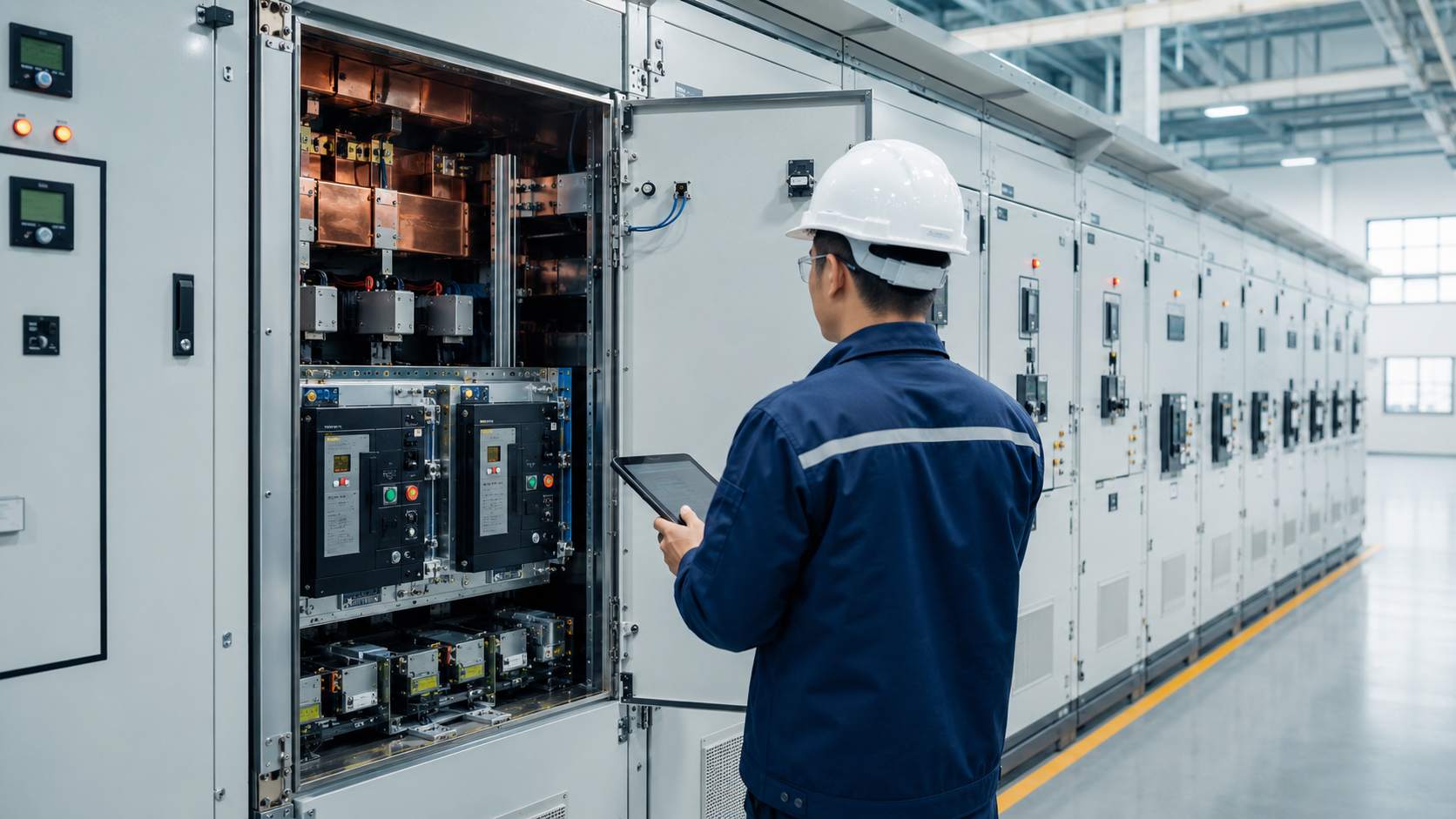
Withdrawable switchgear places functional units in removable compartments or drawers. An individual circuit can be replaced or serviced with less disruption to adjacent circuits. This design is well suited to continuous-process facilities, installations with many feeders, and projects requiring high service continuity. However, it normally involves higher equipment cost and greater mechanical complexity.
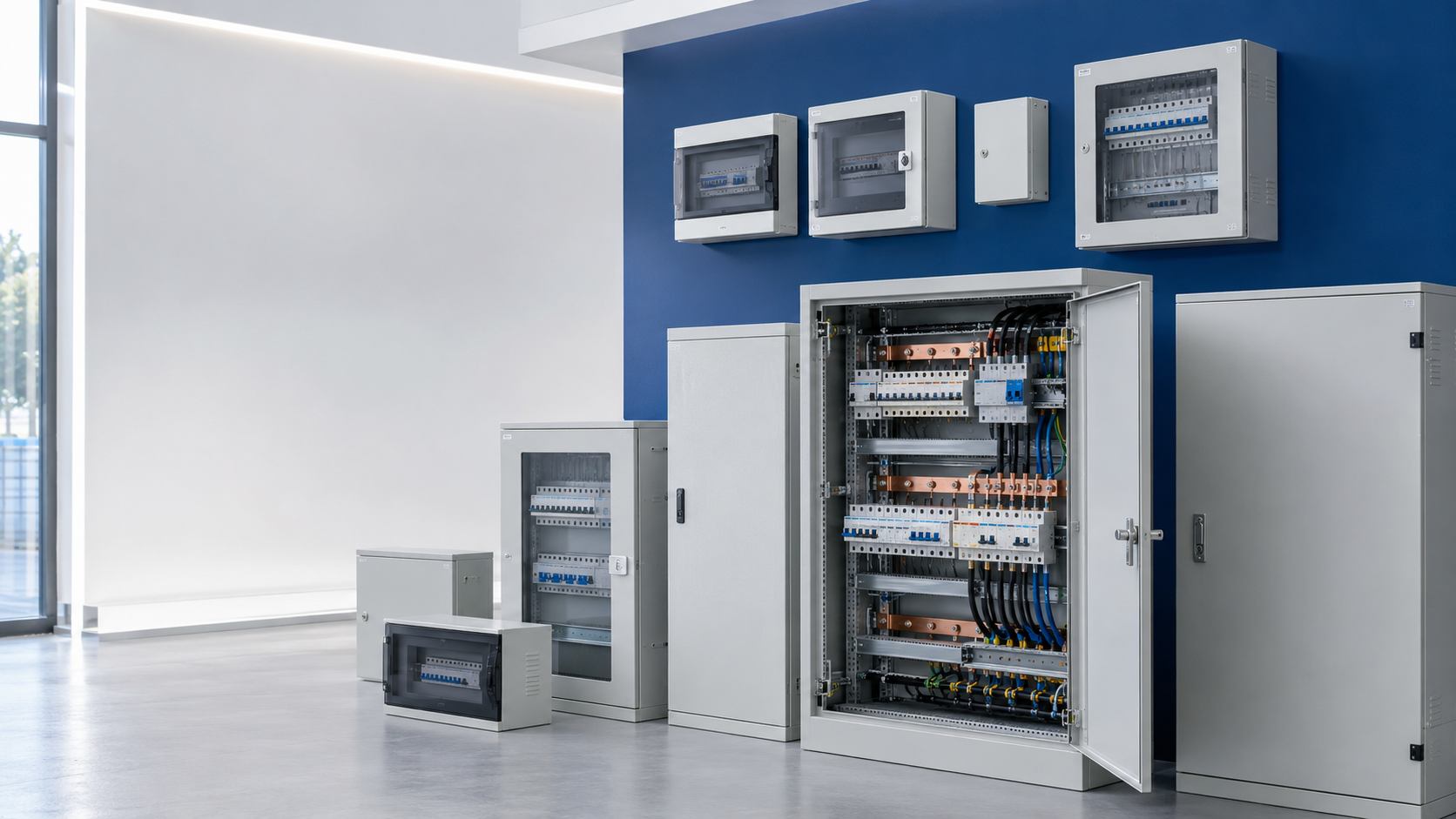
Selection should also consider rated current, short-time withstand capability, enclosure dimensions, busbar arrangement, ingress protection, cable-entry method, and future expansion. Critical loads may require additional evaluation of sectioned operation, spare feeders, and safe maintenance isolation.
Buyers should avoid requesting quotations based only on the number of panels. A complete single-line diagram, equipment layout, and technical specification allow suppliers to quote on the same basis. This makes comparisons more meaningful and reduces the risk of omitted components, later variations, or downgraded configurations.